
The Coloring Inn
Your Guide to Learn, Relax & Enjoy Adult Coloring
Plain advice on supplies, techniques and coloring without aches, from someone who started with discount-shop pencils. Begin with the Beginner’s Quick Start.
Beginner’s Quick Start (opens in a new tab)Gift Ideas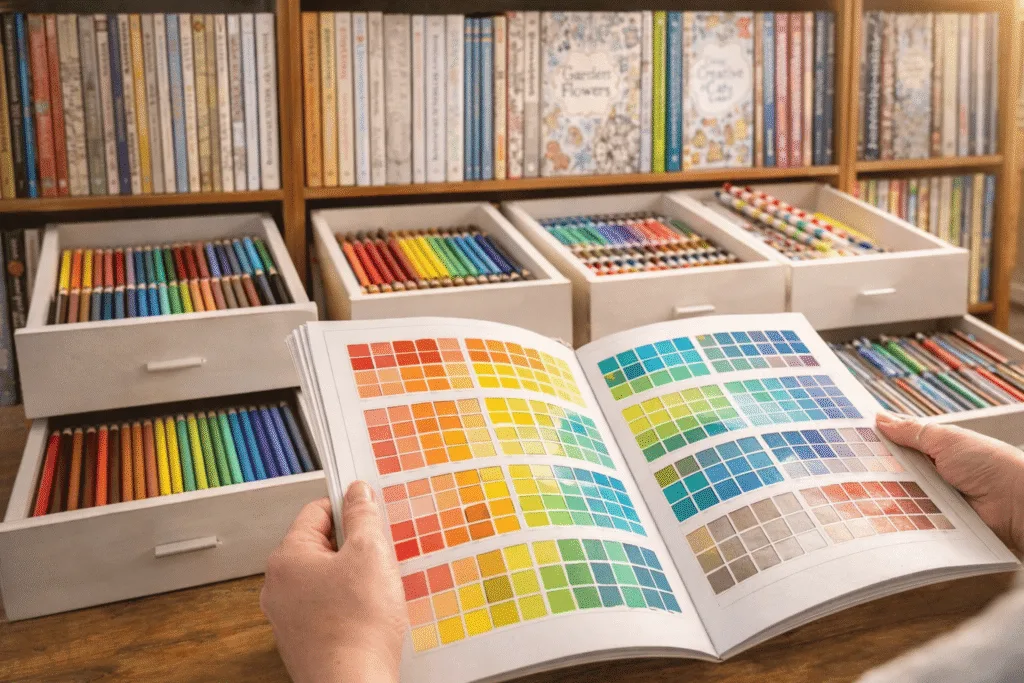
Pick Your Starting Point
Each guide stands on its own. Start with what you color with, or with what you want to learn.
Coloring Supplies · see the whole supplies guide (opens in a new tab)

Supplies
Colored Pencils (opens in a new tab)
Reviews, color charts and test pictures for the pencil sets I’ve covered.

Supplies
Gel Pens (opens in a new tab)
Gel pen reviews with color charts and test pictures.

Supplies
Markers (opens in a new tab)
Marker reviews with color charts and test pictures.

Supplies
Watercolor Pencils (opens in a new tab)
What watercolor pencils can add to your coloring pages.

Supplies
Paper (opens in a new tab)
Which paper suits each medium, and how to stop bleed-through.

Supplies
Essentials (opens in a new tab)
Sharpeners, storage and other accessories worth having.
Books, Techniques and Color
Books
Coloring Books (opens in a new tab)
Book reviews by style, plus free pages to download.
Techniques
Techniques (opens in a new tab)
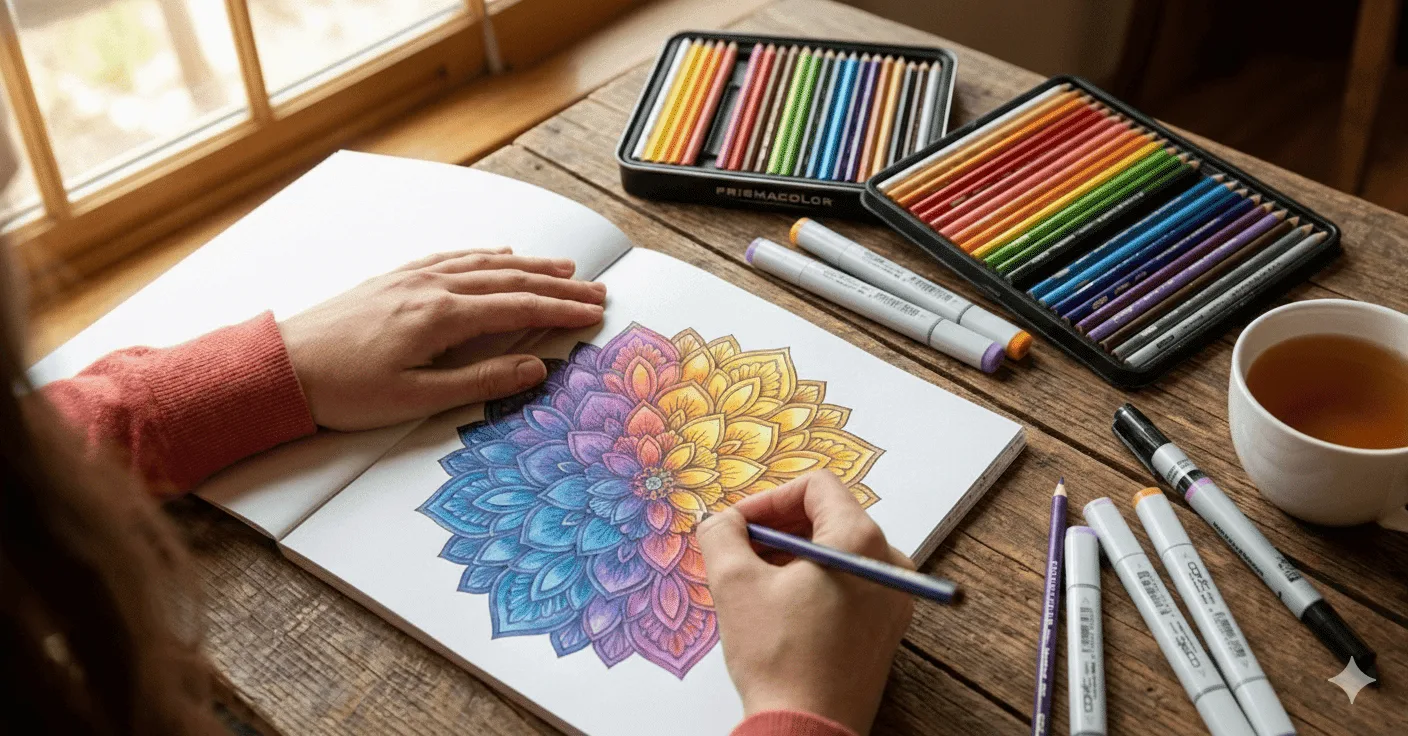
Blending, backgrounds, bubbles, gems and more, step by step.

Color Theory
Color Theory (opens in a new tab)
Use a color wheel to choose colors and fix muddy or flat pages.
Featured Guides

Getting Started
Getting Started (opens in a new tab)
Choose your first supplies and set up a comfortable place to color.

Books
Coloring Book Styles (opens in a new tab)
Five styles compared, so you can pick your next book.

Books
AI Generated Coloring Books (opens in a new tab)
Spot AI-made coloring books with five easy checks before you buy.
Color Longer, Without the Aches
Pain-Free Coloring
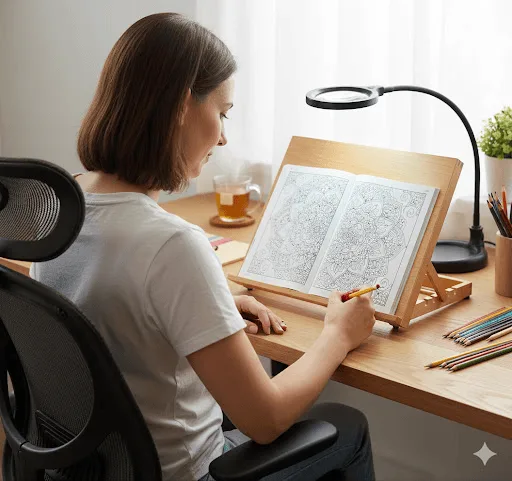
Sore hands, tired eyes and a stiff neck stop a lot of people from enjoying their coloring. Most of it is preventable with small adjustments.
- Soft-core and triangular pencils, grips and stretches
- Lighting and workspace setup
- How long to color between breaks
Quick Tips
Markers bleeding through? Slide a backing sheet behind the page.
Test paper with your own pens on a page you don’t mind spoiling.
Take regular breaks so your hands, neck and eyes can rest.
New to coloring? Large-print books mean fewer early decisions.
Quick Answers
What do I need to start adult coloring?
A coloring book and a set of pencils are enough to start. I started with cheap discount-shop pencils and a few KMart books, so you don’t need to spend much to find out whether you like it. If you need a little bit of help, check out the Beginner’s Quick Start (opens in a new tab).
What paper should I use?
It depends on what you color with. Markers and gel pens want thick, smooth paper (about 215 to 270gsm). Colored pencils want a little tooth. Watercolor pencils want 300gsm or more. If markers bleed through a page, slide a backing sheet behind it. The paper guide (opens in a new tab) has a two-minute test you can run with your own supplies.
Which coloring book style should I choose?
Large-print and color-by-number books suit beginners because they cut down the early decisions. Grayscale books suit you if you are unsure about shading. Check the paper as well, because it decides which pens and pencils will work on the page. Coloring Book Styles (opens in a new tab) compares all five.
Can coloring tire my hands or eyes?
Long sessions can. Your hands, neck and eyes all benefit from a good setup and regular breaks. The Pain-Free Coloring guide (opens in a new tab) covers grip, lighting and posture.
Where should I begin?
Try the Beginner’s Quick Start (opens in a new tab). It takes a few minutes and points you to the right guide for what you want to do first. If you already know what you want, go straight to the topic cards under Pick Your Starting Point near the top of this page.
How I Got Started
A personal touch
In July 2015 I walked past a “Coloring for Stress Relief” display in a newsagency. I didn’t buy anything that day, but the idea kept coming back for weeks.
One Saturday I bought cheap pencils from a discount shop and a few coloring books from KMart. I worked in human resources in the mining industry and had never drawn or painted. Coloring helped me relax and clear my head, and it changed what I put first in my week.
That is why I know which budget supplies work, and why every guide here starts from a beginner’s questions. I haven’t personally tested every product, so my guides also draw on research, such as what makers list and what other colorists report.
Read my story (opens in a new tab)Shopping for a Colorist?
My gift ideas for the colorist in your life, whether they are just starting out or already hooked.
See the Gift Ideas (opens in a new tab)More to Explore

Techniques
Color Charts (opens in a new tab)
Make color charts to find the right pencil fast.

Techniques
How to Sharpen Colored Pencils (opens in a new tab)
Why sharpening matters when you color with pencils.

Techniques
How to Color Bubbles (opens in a new tab)
Add bubbles to your pages with a simple method.