
Adult Coloring Book Styles Explained: Grayscale, Mandala, Color-by-Number & More
Understand what each style actually looks like so you can pick the one that fits how you like to color — not just what’s trending.
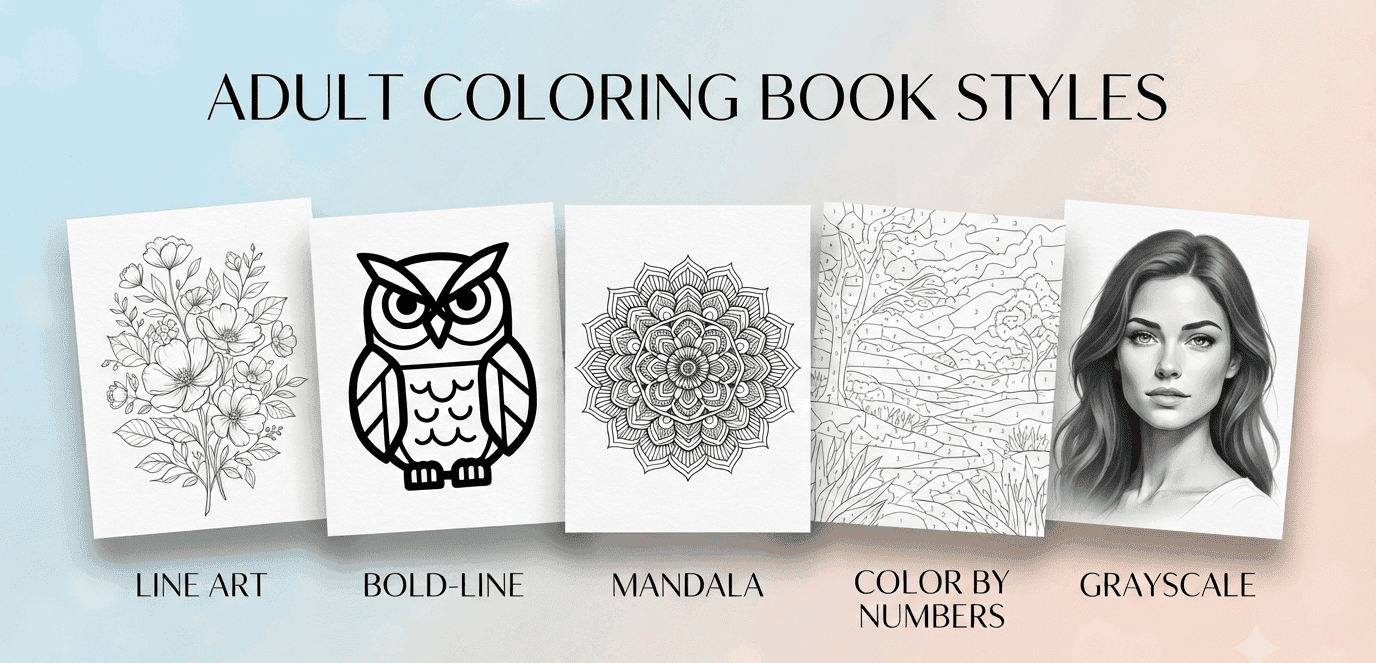
Adult coloring books come in five main styles:
- Grayscale — pre-shaded designs you build up with light shading
- Mandala or pattern books — symmetrical, repetitive designs
- Color-by-number — numbered sections that tell you what goes where
- Traditional line art — open outlines with no shading guide
- Large-print or bold-line — thick, simple outlines with more white space
Each one asks something different of your hands, your eyes, and your patience.
If you’ve stood in front of a bookstore display or scrolled an Amazon results page and had no idea which one to grab, you’re not alone. The covers all look similar enough that the actual difference — how much time a page takes, how fine the details are, how much pressure control you need — doesn’t show up until you’re a few pages in and already frustrated.
That’s what this guide sorts out. Understand grayscale, mandala, and color-by-number coloring so you can choose a format that fits your skill level and comfort instead of guessing and getting frustrated.
(If you’re weighing paper weight, binding, or other general buying questions, our Books hub covers those — this page goes deep on one specific factor: style.)
- Grayscale, mandala, color-by-number, line art, and bold-line pages each look different up close — see exactly what to expect before you buy.
- Your skill level, patience, and taste for detail all point toward a different style.
- Hand pain or low vision change which styles are actually comfortable to color for a full session.
- The right supplies — pencils, markers, blending tools — depend on which style you choose.
- There’s no single “best” style — just the one that fits your mood, your hands, and your patience today.
On this page:
Before the full breakdown, here’s the short version of what separates these five styles from each other: how much shading is already done for you, how symmetrical or free-form the design is, and how forgiving the page is if your line control isn’t perfect. Keep those three questions in mind as you read through each style below.
What Each Style Actually Looks Like
Quick note: the book picks below reflect community feedback and manufacturer specs, not personal testing of every title — more on that in the supplies section.
Grayscale
Grayscale coloring books print the design already shaded in greys — light, medium, and dark tones mapped out for you. Your job is layering actual color over that shading rather than deciding where the light and shadow go yourself.
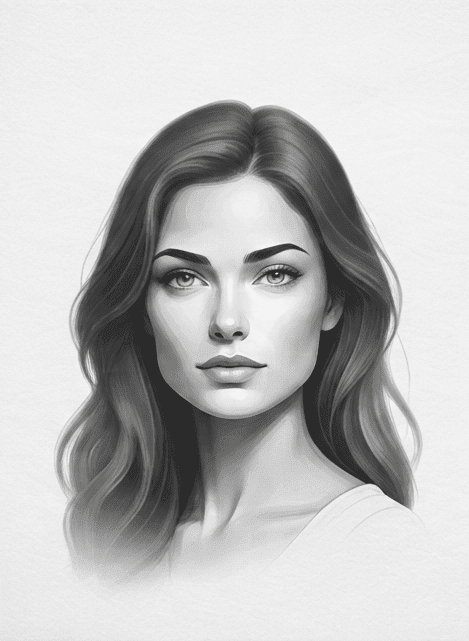
What it looks like: A photo-realistic image (often a flower, animal, or portrait) printed in soft grey tones instead of black outlines. You color on top, letting some grey show through in the shadow areas.
Best for: Colorists who want realistic, dimensional results without learning to shade from scratch.
Colorists in the Facebook Coloring Books for Adults group consistently mention using a light hand with colored pencils on grayscale pages — pressing too hard covers up the pre-shaded greys that are doing most of the work for you.
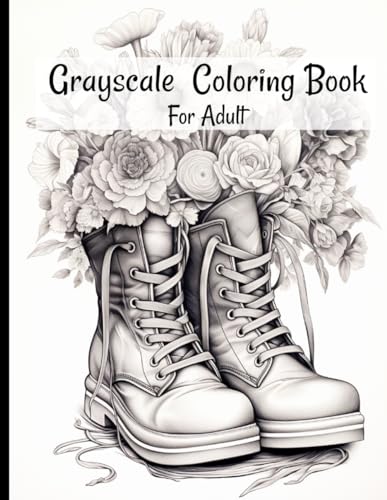
If grayscale sounds like your style, here are a few titles worth starting with:
-
 View on Amazon$9.99
We earn commission if you make a purchase at no additional cost to you. See Disclosure Statement for further details....
07/23/2026 03:04 am GMT -
 View on Amazon$5.99
We earn commission if you make a purchase at no additional cost to you. See Disclosure Statement for further details....
07/22/2026 10:09 pm GMT -
 View on Amazon$10.99
We earn commission if you make a purchase at no additional cost to you. See Disclosure Statement for further details....
07/23/2026 01:02 am GMT -
 View on Amazon
$23.95$20.99We earn commission if you make a purchase at no additional cost to you. See Disclosure Statement for further details....
07/22/2026 01:02 pm GMT -
 View on Amazon$19.95
We earn commission if you make a purchase at no additional cost to you. See Disclosure Statement for further details....
07/22/2026 01:02 pm GMT
Mandala and Pattern
Mandala and pattern books use symmetrical, repeating designs — often circular — built from small repeated shapes. There’s no “wrong” color choice, but the sheer number of small sections is what makes these either meditative or exhausting, depending on your mood.
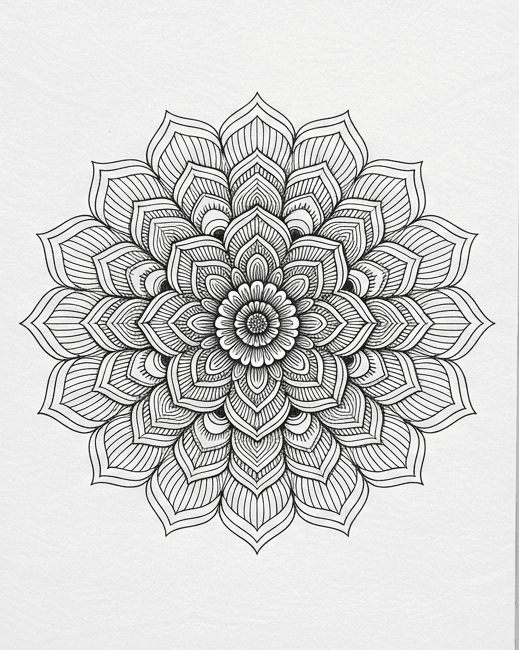
What it looks like: A circular or geometric design made of many small repeated sections, usually with fine linework.
Best for: Colorists who find repetitive, detailed work relaxing rather than tedious.
A few well-regarded mandala and pattern titles:
-
 View on Amazon
$8.99$7.99We earn commission if you make a purchase at no additional cost to you. See Disclosure Statement for further details....
07/22/2026 06:06 pm GMT -
 View on Amazon
$19.95$16.95We earn commission if you make a purchase at no additional cost to you. See Disclosure Statement for further details....
07/22/2026 06:06 pm GMT -
 View on Amazon$12.99
We earn commission if you make a purchase at no additional cost to you. See Disclosure Statement for further details....
07/22/2026 06:07 pm GMT
Color-by-Number
Color-by-number books remove the “what color goes here” decision entirely — each section has a number or symbol that maps to a specific color. It’s the most structured of the five styles. Some color-by-number books are labeled “mosaic” or “mystery mosaic” — that’s the version using tiny, uniform tile-shaped sections instead of larger illustrated ones, often revealing a hidden picture as you fill it in. Same numbered idea, just much smaller pieces.
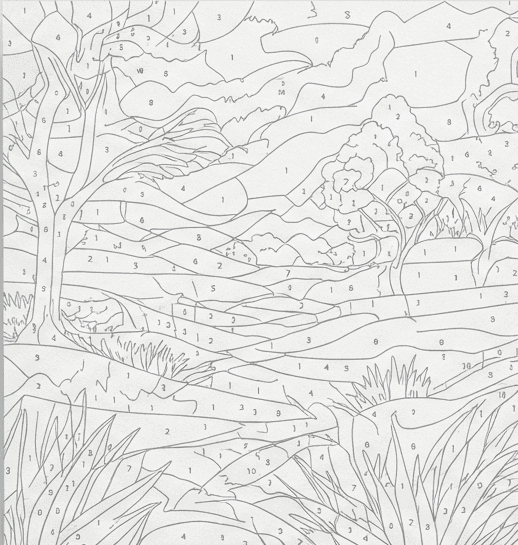
What it looks like: A page divided into small numbered or symbol-coded sections, each corresponding to a specific color in a key.
Best for: Colorists who want a finished result without decision fatigue, or who are coloring to unwind rather than to make creative choices.
Titles worth trying if this structured style appeals to you:
-
 View on Amazon$9.99
We earn commission if you make a purchase at no additional cost to you. See Disclosure Statement for further details....
07/23/2026 01:02 am GMT -
 View on Amazon$9.99
We earn commission if you make a purchase at no additional cost to you. See Disclosure Statement for further details....
07/23/2026 01:02 am GMT -
 View on Amazon$14.49
We earn commission if you make a purchase at no additional cost to you. See Disclosure Statement for further details....
07/23/2026 01:02 am GMT -
 View on Amazon
$22.00$17.58We earn commission if you make a purchase at no additional cost to you. See Disclosure Statement for further details....
07/23/2026 02:02 am GMT
Traditional Line Art
Traditional line art is what most people picture when they think “coloring book” — open black outlines with no shading or numbering. Every color and shading choice is yours.
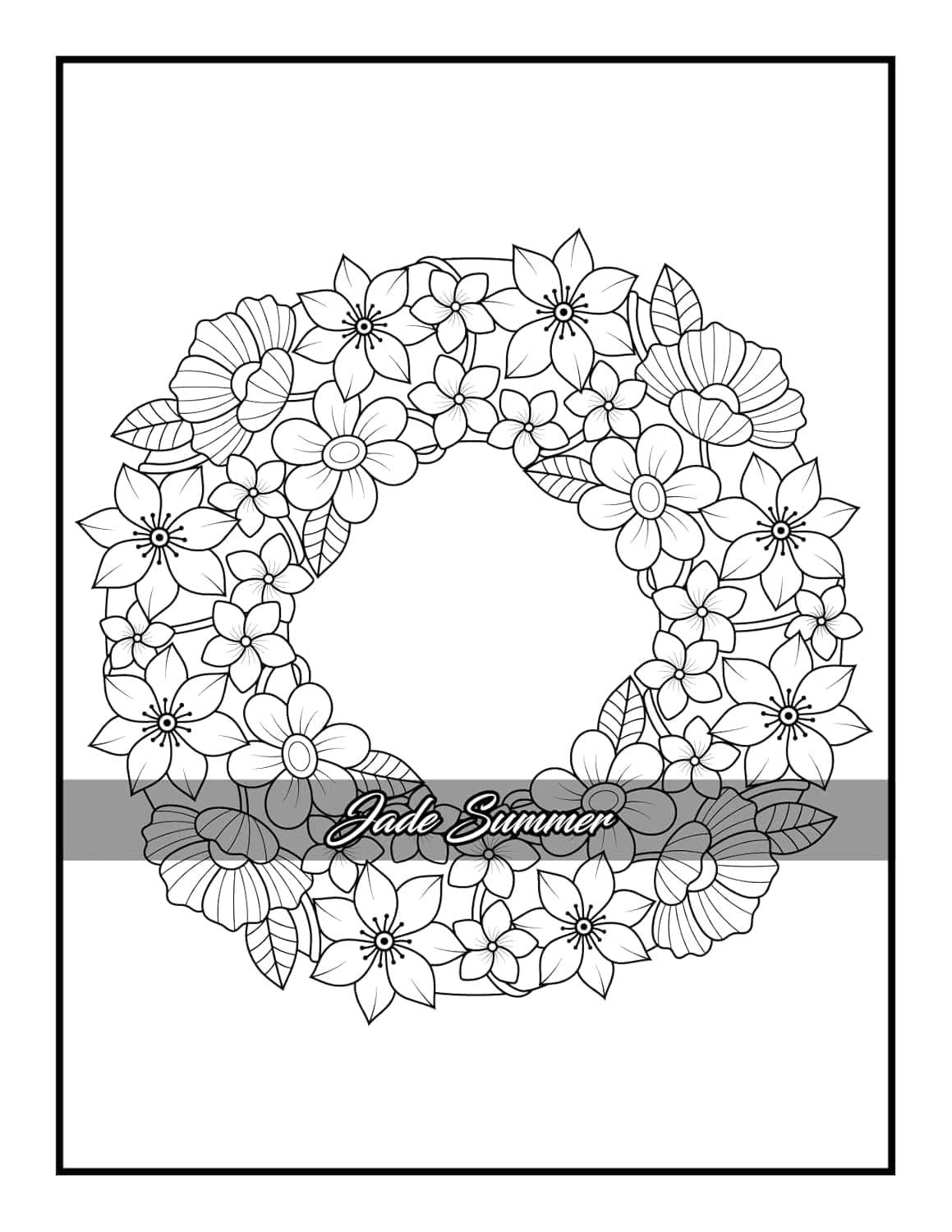
What it looks like: Clean black outlines on a white page, no pre-shading, no numbers.
Best for: Colorists who want full creative control and don’t mind making every color decision themselves.
Classic line art is the most widely available style — a few solid places to start:
-
 View on Amazon
$12.99$11.81We earn commission if you make a purchase at no additional cost to you. See Disclosure Statement for further details....
07/22/2026 06:06 pm GMT -
 View on Amazon$9.99
We earn commission if you make a purchase at no additional cost to you. See Disclosure Statement for further details....
07/23/2026 01:03 am GMT -
 View on Amazon
$9.98$7.90We earn commission if you make a purchase at no additional cost to you. See Disclosure Statement for further details....
07/22/2026 06:07 pm GMT -
 Buy Now on Amazon
$18.00$9.99We earn commission if you make a purchase at no additional cost to you. See Disclosure Statement for further details....
07/22/2026 04:15 pm GMT -
 View on Amazon
$17.99$11.53We earn commission if you make a purchase at no additional cost to you. See Disclosure Statement for further details....
07/22/2026 04:12 pm GMT
Large-Print and Bold-Line
Large-print and bold-line books use thicker outlines, simpler designs, and more open space per page. They’re often marketed toward beginners, but they solve a real, practical problem for a much wider group of colorists.
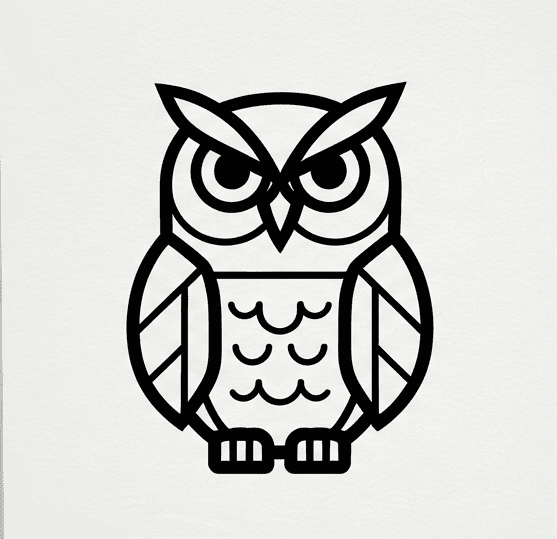
What it looks like: Thick, simple outlines with larger open areas and less fine detail than the other four styles.
Best for: Anyone who wants a faster, lower-pressure coloring session — including colorists managing eye strain, hand fatigue, or limited fine motor control.
A few large-print and bold-line titles colorists consistently recommend:
-
 View on Amazon
$9.98$6.42We earn commission if you make a purchase at no additional cost to you. See Disclosure Statement for further details....
07/23/2026 03:04 am GMT -
 View on Amazon$6.42
We earn commission if you make a purchase at no additional cost to you. See Disclosure Statement for further details....
07/23/2026 03:04 am GMT -
 View on Amazon
$9.98$6.98We earn commission if you make a purchase at no additional cost to you. See Disclosure Statement for further details....
07/23/2026 03:05 am GMT -
 View on Amazon$9.99
We earn commission if you make a purchase at no additional cost to you. See Disclosure Statement for further details....
07/22/2026 04:12 pm GMT
Which Style Fits You
There’s no objectively “best” style — only the one that matches the coloring session you actually want right now. Here’s how the five styles stack up against the questions that matter most.
| If you want… | Reach for… |
|---|---|
| A realistic result without learning to shade | Grayscale |
| A meditative, repetitive session with no wrong choices | Mandala / Pattern |
| Zero decision-making — just fill in what you’re told | Color-by-Number |
| Full creative control over every color | Traditional Line Art |
| A faster session that’s easier on tired eyes or hands | Large-Print / Bold-Line |
A quick, honest answer to the most common version of this question — is grayscale better than color line art? Neither is “better.” Grayscale is more forgiving if you’re unsure about shading; traditional line art gives you more creative freedom. Try one page of each before committing to a full book of either — grab a free grayscale sample from Crafting a Green World and a free traditional line art page from Crayola to compare side by side.
Choosing a Style That’s Comfortable to Color
Style choice isn’t just about aesthetics — for a lot of colorists, it’s about what their hands and eyes can actually sustain for a full session. If arthritis, hand pain, or low vision are part of your coloring life, some styles genuinely work better than others.
Community feedback from Reddit and Facebook coloring groups points to large-print and bold-line books as the most consistently comfortable choice for colorists managing hand pain or low vision — bigger spaces mean fewer small, fiddly movements per page, and thicker outlines are easier to see and stay inside.
Color-by-number books can also help if fine motor control is a concern, since the numbered sections are usually a bit larger and more clearly bounded than a fully detailed mandala. Grayscale and traditional line art both ask for more sustained fine control, especially in intricate areas — not off-limits, just worth pacing yourself through.
For a fuller look at hand comfort, posture, and adaptive tools for coloring sessions, see our Health & Comfort guide.
Supplies That Pair With Each Style
Once you’ve picked a style (and maybe a book), here’s what pairs well with it. I haven’t tested every product below myself, but the recommendations reflect what adult colorists consistently mention in Reddit threads and Facebook groups, cross-checked against manufacturer specs — not a single tester’s opinion.
For grayscale: colored pencils with good layering ability and blending tools (blending pencils or colorless blenders) do most of the work here — the shading’s already mapped out, so smooth transitions matter more than sharp lines.
-
 Buy Now on Amazon
$24.51$22.00We earn a commission if you make a purchase, at no additional cost to you. See Disclosure Statement.
07/22/2026 06:07 pm GMT -
 Buy Now on Amazon$13.98
We earn commission if you make a purchase at no additional cost to you. See Disclosure Statement for further details....
07/22/2026 08:03 pm GMT -
 View on Amazon$36.99
We earn commission if you make a purchase at no additional cost to you. See Disclosure Statement for further details....
07/23/2026 10:04 am GMT
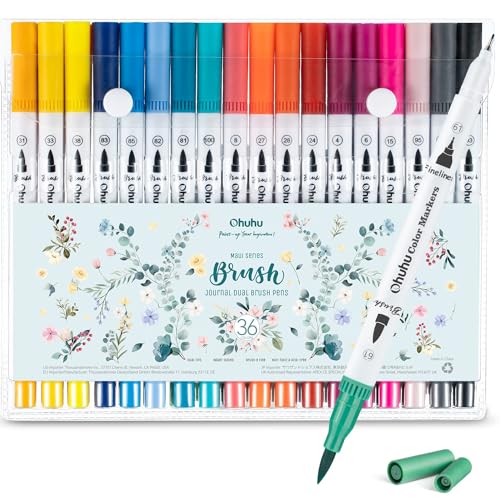
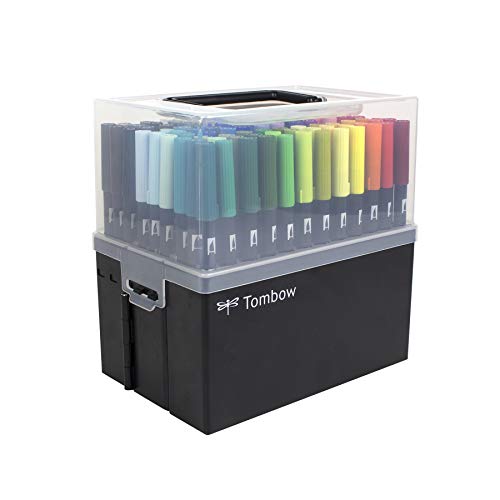
For mandala, color-by-number, traditional line art, and bold-line styles: colored pencils are always a solid choice, and fine-tip markers or brush markers are another excellent option that keeps detail crisp without smudging — especially useful for the fiddly sections in mandala designs and the clean fills color-by-number pages reward.
-
 View on Amazon
$39.95$32.15We earn commission if you make a purchase at no additional cost to you. See Disclosure Statement for further details....
07/23/2026 10:04 am GMT -
 View on Amazon
$10.99$10.44We earn commission if you make a purchase at no additional cost to you. See Disclosure Statement for further details....
07/22/2026 02:03 pm GMT -
 View on Amazon
$355.00$275.92We earn commission if you make a purchase at no additional cost to you. See Disclosure Statement for further details....
07/22/2026 02:03 pm GMT -
 View on Amazon$95.75
We earn commission if you make a purchase at no additional cost to you. See Disclosure Statement for further details....
07/22/2026 02:03 pm GMT
If hand comfort is a factor: triangular-barrel and soft-grip pencils reduce the grip pressure needed for long sessions, regardless of which style you land on.
Frequently Asked Questions
A few quick answers to the questions that come up most when colorists are comparing styles.
The five main styles are grayscale (pre-shaded designs), mandala or pattern books (symmetrical repeating designs), color-by-number (numbered sections), traditional line art (open outlines), and large-print or bold-line books (thicker, simpler outlines). See the full breakdown above for what each one actually looks like.
A grayscale coloring page is printed with the shading already done in soft grey tones instead of plain black outlines. You add color over the top, and the pre-existing shadows and highlights give the finished page depth without you having to plan the shading yourself.
Nature and florals, mandalas, animals, and fantasy/forest scenes are consistently popular themes across all five styles — the theme (what’s pictured) is separate from the style (how it’s structured), and most themes are available in more than one style.
Neither is objectively better — they suit different sessions. Grayscale is more forgiving if shading feels intimidating, since the depth is already mapped out for you. Traditional line art gives you full creative control but asks more of your color-planning. Many colorists keep both on hand.
There isn’t a single best format — it depends on your patience for detail, your eyesight and hand comfort, and whether you want creative freedom or a more guided session. See Which Style Fits You above for a direct comparison.
Large-print/bold-line and color-by-number books tend to suit beginners best, since both remove some of the early decision-making that can feel overwhelming. Our Getting Started guide covers first-purchase picks in more detail.
Popularity shifts constantly and varies by style and theme, so rather than naming one “most popular” title, our Books hub keeps an updated list of the reviews and recommendations getting the most attention from readers.
Found your style yet?
If you’re still torn between two, that’s genuinely fine — grab a single title in each and let a page or two decide for you instead of guessing from the cover.
Want more on getting set up right? Check out our Getting Started guide for first-purchase picks that pair with whichever style you land on.
Happy coloring,
Suzy