
Color Comfortably for Longer With Your Guide to Pain-Free, Stress-Free Adult Coloring

Adult coloring can cause eye strain, hand pain, neck tension, and stress when sessions are long or the setup isn’t right, but most of it is preventable with small adjustments.
This quick-fix guide covers the most common comfort issues adult colorists experience, with practical fixes and product recommendations for each one.
Introduction to Healthy, Safe, and Relaxing Coloring
If you’re dealing with stress, anxiety, or maybe even chronic hand pain like arthritis, you’ve probably found genuine relief in adult coloring. I know I have! I’ve heard from so many of our colorists who say this hobby helps calm their minds and manage pain, creating peaceful moments in busy lives.
But coloring isn’t a completely risk-free activity. You can actually get coloring related injuries. And no, I’m not just talking about the odd paper cut. Colorists often spend hours sitting in one position, hunched over a desk or clipboard, making the same movements with their hands and arms over and over again.
Here’s what typically builds discomfort during coloring sessions:
- Still posture: sitting in one position for too long strains the neck, shoulders, and back
- Repetitive motion: repeated pencil strokes and grip pressure fatigue hands and wrists
- Eye focus: staring at fine details under poor lighting strains your eyes
- Long sessions: concentration fatigue creeps up without you noticing
- Stress and expectation: pressure to produce something beautiful can quietly turn relaxing time into anxious time
Most coloring discomfort comes from setup rather than coloring itself. Adjusting your workspace is often more effective than stopping coloring altogether.
Coloring for Seniors
If you’re coloring later in life, you’re in good company. Many colorists who find the most benefit from this hobby are in their 50s, 60s, and beyond.
The combination of mindfulness, gentle hand movement, and creative expression makes it particularly well-suited to managing the stresses and physical changes that come with age.
If arthritis, changing vision, or back stiffness are making coloring harder than it used to be, this guide’s sections on hand comfort, lighting, and workspace setup are especially relevant for you.
What You’ll Discover:
- Simple adjustments to your setup, tools, and coloring habits can help make adult coloring more comfortable and enjoyable.
- Simple ways to check your coloring supplies to determine if they are safe or toxic.
- Ergonomic Control so that you can color for hours without back or neck pain.
Health Benefits of Adult Coloring at a Glance
Before we get into what can go wrong, it’s worth naming what draws most people to this hobby in the first place. Adult coloring has a genuinely solid reputation as a relaxation tool.
Independent Research at Drexel University (2016), The Guardian NZ(2017) , Clinical Study on Chronic Pain (2021), and University of Arizona (2016) is best summarized as “…that taking just 15 to 45 minutes for structured art-making activities lowers anxiety and serves as an effective, accessible tool for regulating stress hormones” confirming:
- Reduced state anxiety: particularly with structured, repetitive designs like mandalas
- Improved present-moment focus: the same mechanism that underpins mindfulness practice
- Lower cortisol: the stress hormone that builds during sustained worry or overload.
- A sense of completion: finishing a page or section provides a small, reliable sense of accomplishment
- Reduced ruminative thinking: repetitive fine-motor activity interrupts the mental loops that anxiety loves
These benefits tend to be strongest when coloring is low-pressure, done in a calm environment, and with designs that are challenging enough to hold focus without becoming overwhelming. The rest of this guide is about making sure the physical and environmental conditions support those benefits rather than work against them.
STRESS & ANXIETY
How Adult Coloring Reduces Stress and Anxiety Naturally
Have you noticed how distractions disappear when you’re focused on a specific task? That’s not just your imagination, there’s real science behind why the focused tasks of coloring create a calming influence that helps reduce stress and anxiety. You’re giving your prefrontal cortex something purposeful to do.
A 2005 study published in Art Therapy: Journal of the American Art Therapy Association found “Anxiety fell significantly more in the mandala and plaid-coloring groups than in the unstructured blank paper group“. A 2012 and 2026 follow-up studies found “that coloring the mandala specifically reduced anxiety to a significantly greater degree than both the plaid pattern and the blank sheet“, and “structured coloring guides students into a deep ‘flow state’ (meditation), providing quantifiable physiological calming effects“.
From the colorists I’ve talked to in our community, many describe coloring as their “portable therapy session.” One member of the Coloring Books for Adults Facebook group told me she keeps a small coloring book and pencil set in her car for stressful moments between appointments. Another colorist shared that coloring for just 20 minutes before bed helps her anxiety enough that she’s been able to reduce sleep medications (always with her doctor’s guidance – never reduce medications without professional advice).
While coloring is not a medical treatment, many people find that the repetitive motions, focused attention, and quiet creative routine help calm racing thoughts and reduce feelings of stress. Activities like coloring can encourage mindfulness, giving the brain a break from constant stimulation and helping the body shift into a more relaxed state.
Coloring is especially appealing because it can feel emotionally safer as there is no pressure to perform perfectly. You can stop and start whenever you like, choose simple designs, and color at your own pace. That sense of control and predictability can feel comforting during stressful periods.
However, coloring is not a replacement for professional mental health support. Persistent anxiety, panic symptoms, or emotional distress should always be discussed with a qualified healthcare professional.
Why Coloring Works for Anxiety Relief (and Calms Your Mind)
When you’re coloring, you’re giving your brain a specific, manageable task that requires just enough focus to interrupt anxious thought patterns. It’s not so challenging that it creates new stress, but engaging enough to keep your mind from spiraling into worry.
Moderately complex designs work best. Simple pages don’t hold attention long enough. Overwhelmingly intricate pages add visual stress. The sweet spot is detailed enough to absorb focus, simple enough that you’re not fighting the page.
Best Coloring Approaches for Stress Relief and Relaxation
How you approach a session matters as much as how long you color or what you color. These are the approaches that consistently help when coloring has started to feel like pressure rather than pleasure:
Quick Adjustments:
- Choose coloring books you genuinely like rather than impressive ones. Your enjoyment matters more than the complexity
- Try mandala or nature scene coloring books as both shown in studies to reduce anxiety more than random patterns
- Give yourself permission to leave sections unfinished
- Color for 15 minutes with no expectations
- Step away from coloring communities if comparison is making sessions feel worse, not better
- Use whatever medium feels most relaxing to you (pencils, markers, gel pens) or try a different medium for a session so it can feel like a fresh start
- Lower the visual complexity as large-pattern books reduce the mental load significantly
Best Coloring Books for Anxiety Relief and Stress Reduction
Not all coloring books work equally well for stress relief. From my research and what other colorists recommend, books with these characteristics tend to work best:
Most effective for anxiety:
- Mandala patterns (circular, symmetrical designs)
- Nature scenes (gardens, forests, ocean themes)
- Repetitive geometric patterns
- Designs labeled “mindfulness” or “meditation”
- Medium complexity (not too simple, not overwhelming)
Less effective for anxiety:
- Highly intricate designs with tiny spaces (can increase frustration)
- Dark or violent themes
- Designs that require perfect precision
- Books with stressful deadlines or challenges
The Mindfulness Coloring Book by Emma Farrarons comes up again and again in coloring communities as a go-to for anxiety relief. Check out my detailed review of other favorites:
- Johanna Basford’s Secret Garden
- Color Yourself Calm: A Mindfulness Colouring Book
- Little Book of Coloring Calm by David Sinden and Victoria Kay
- Nature Mandalas by Thaneeya McArdle
-
 View on Amazon
$9.95$9.27We earn commission if you make a purchase at no additional cost to you. See Disclosure Statement for further details....
07/02/2026 09:04 pm GMT -
 View on Amazon$9.99
We earn commission if you make a purchase at no additional cost to you. See Disclosure Statement for further details....
07/02/2026 09:04 pm GMT -
 View on Amazon$9.65
We earn a commission if you make a purchase, at no additional cost to you. See Disclosure Statement.
07/03/2026 07:02 pm GMT -
 View on Amazon
$9.99$7.98We earn commission if you make a purchase at no additional cost to you. See Disclosure Statement for further details....
07/02/2026 09:04 pm GMT -
 View on Amazon$9.99
We earn commission if you make a purchase at no additional cost to you. See Disclosure Statement for further details....
07/02/2026 11:03 pm GMT -
 View on Amazon
$15.95$9.39We earn a commission if you make a purchase, at no additional cost to you. See Disclosure Statement.
07/03/2026 07:02 pm GMT -
 View on Amazon$10.76
We earn a commission if you make a purchase, at no additional cost to you. See Disclosure Statement.
07/03/2026 07:02 pm GMT -
 View on Amazon$9.99
We earn commission if you make a purchase at no additional cost to you. See Disclosure Statement for further details....
07/02/2026 11:03 pm GMT
HAND PAIN & FINGER FATIGUE
Managing Hand Pain While Coloring (Simple Ways to Stay Comfortable)
When you become addicted to this hobby, it’s easy to lose track of time, and your body!
The Arthritis Foundation and Occupational Therapists note that gentle, repetitive hand movements involved in coloring with arthritis can help maintain range of motion and finger flexibility. The key word is “gentle”. You need supplies that don’t require tight gripping or heavy pressure.
I’ve heard from several community members who color specifically because their doctors or physical therapists recommended it for hand mobility. One colorist told me she colors for 15-20 minutes daily as part of her pain management routine, and she’s noticed her fingers feel less stiff on days when she colors.
Coloring can be genuinely helpful, especially for maintaining hand mobility if you have arthritis, but only if you use the right tools and techniques.
Warning Signs:
- Finger cramps during or after coloring
- Aching wrist or forearm after a session
- A tight, tired grip that’s hard to relax
- Numbness or tingling in fingers
- Stiffness in knuckles after extended use
Quick Adjustments:
- Move to Soft-Core Pencils
- Do Frequent Hand Stretches
- Use Ergonomic Tools
- Change Your Coloring Technique
Why Your Pencils Might Be Causing Hand Fatigue
The problem is that they force you to grip tightly and press hard to get good color. That combination is exactly what aggravates pain and causes hand fatigue. Round pencils are especially bad because they roll, making you constantly adjust your grip.
Try this to take back control:
- Triangular-shaped colored pencils: I’ve found these to be a game-changer if you have hand pain. Because the shape doesn’t roll, you can use a much looser grip without the pencil slipping.
- Soft-core pencils: Supplies like Prismacolor Premier are beloved in our community because they lay down rich color with minimal pressure. You barely need to press at all, which saves your hand muscles
Many colorists managing arthritis have found that switching to soft-core pencils, using pencil grips, and keeping sessions to 15–20 minutes actually helps maintain finger range of motion rather than worsening it.
Hand Stretches to Prevent Cramping Fingers While Coloring.
To directly address those cramps and tightness, I always recommend taking a break every 20-30 minutes for a quick stretch.
- Wrist Flexor Stretch: Extend your arm straight, palm up. Use your opposite hand to gently pull your fingers down toward your body. Hold for 15 seconds.
- The Claw: Start with your hand open. Curl your fingertips down to touch the base of your palm, making a loose fist (like a bear claw). Hold for 10 seconds.
- Pencil Roll: Gently roll a round pencil between your palms to increase circulation and warmth.
If hand pain persists If hand or wrist pain doesn’t improve with rest, persists beyond a single session, or affects daily tasks like opening jars or typing, it’s worth talking to your doctor or a physiotherapist especially if you’ve noticed similar discomfort in other activities.
Ergonomic Tools That Help Reduce Hand Pain
The good news: there are supplies specifically designed to reduce hand strain. From the research and product testing I’ve done, these tools make the biggest difference:
Triangular-shaped colored pencils: These are the game-changers for arthritis. The triangular shape doesn’t roll, so you can use a looser grip without the pencil slipping. Brands like Lyra Groove and Faber-Castell Grip design their pencils with ergonomics in mind.
One colorist in the Coloring Books for Adults group said switching to triangular pencils let her color for an hour instead of just 15 minutes before her thumb joint started hurting. Another member specifically mentioned that large triangular crayons are “surprisingly comfortable” for arthritic thumbs.
Soft-core colored pencils: Soft cores lay down rich color with minimal pressure. See my review of Staedtler ergo soft 157 Coloured Pencils for a detailed analysis of these pencils. Prismacolor Premier colored pencils are another beloved soft core pencil by colorists with arthritis because you barely need to press at all to get vibrant color. The softer the core, the less force your hand needs to apply.
Pencil grips: Universal rubber or foam grips that slide onto standard pencils can make a huge difference. They increase the diameter of the pencil (reducing how tightly you need to grip) and provide cushioning for your fingers. These cost just a few dollars and work on pencils, pens, and markers. But more importantly, they can reduce the pain in your fingers.
Electric pencil sharpeners: This might seem minor, but manual sharpening requires significant hand strength and twisting motion that can aggravate pain. An electric sharpener eliminates that strain entirely.
Alternative mediums: Many colorists with severe hand pain switch to gel pens or brush-tip markers for some projects. These require even less pressure than soft pencils and can be easier on painful joints.
-
 View on Amazon$24.99
We earn commission if you make a purchase at no additional cost to you. See Disclosure Statement for further details....
07/02/2026 10:01 pm GMT -
 View on Amazon$29.32
We earn a commission if you make a purchase, at no additional cost to you. See Disclosure Statement.
07/03/2026 07:02 pm GMT -
 View on Amazon$15.00
We earn commission if you make a purchase at no additional cost to you. See Disclosure Statement for further details....
07/03/2026 05:06 am GMT -
 View on Amazon$10.41
We earn commission if you make a purchase at no additional cost to you. See Disclosure Statement for further details....
07/03/2026 05:03 am GMT -
 View on Amazon$6.98
We earn commission if you make a purchase at no additional cost to you. See Disclosure Statement for further details....
07/03/2026 02:03 pm GMT -
 View on Amazon$9.99
We earn commission if you make a purchase at no additional cost to you. See Disclosure Statement for further details....
07/02/2026 09:03 pm GMT -
 View on Amazon
$21.59$17.99We earn commission if you make a purchase at no additional cost to you. See Disclosure Statement for further details....
07/02/2026 09:05 pm GMT -
 View on Amazon
$35.99$27.99We earn commission if you make a purchase at no additional cost to you. See Disclosure Statement for further details....
07/03/2026 09:05 am GMT
Coloring Techniques for Managing Aching Hands
Beyond supplies, how you color makes a difference:
Take frequent breaks: Color for 15-20 minutes, then rest your hands for 5-10 minutes. This prevents overuse pain from building up during long sessions.
Use light pressure: With soft-core pencils, you don’t need to press hard. Let the pencil do the work. If you’re pressing hard to get color, switch to softer pencils.
Try larger coloring spaces: Books with bigger spaces to fill require less fine motor control and precision, reducing strain on small finger joints.
Alternate hands: If you have arthritis in both hands, switching which hand you color with every 10-15 minutes can prevent one hand from getting too fatigued.
Gentle stretches: Before and after coloring, do simple hand stretches recommended by occupational therapists.
If coloring makes your pain worse instead of better, you’re using tools that are too hard or gripping too tightly. The right ergonomic supplies should allow you to color comfortably for 20-30 minutes without increased pain.
Listen to your body. If your hand starts cramping, your neck gets stiff, or your eyes feel tired, take a break. Coloring should feel good, not painful.
WORKSPACE & POSTURE
Setting Up a Comfortable, Pain-Free Coloring Workspace at Home
Whether you’re coloring for stress relief, arthritis and pain management, or pure enjoyment, your physical setup makes a huge difference in how comfortable and sustainable your coloring sessions are.
When you lean forward over a flat desk or look down at a book in your lap, your neck bends forward, your upper back rounds, and your shoulders tighten. You might not notice it initially, but 20 minutes after you stop, the stiffness arrives.
Warning Signs:
- Stiff neck after coloring, especially at the base of the skull
- Aching between the shoulder blades
- Upper back tension or tightness
- Lower back discomfort, especially when coloring at a desk
- Shoulder tension that lingers into the evening
Quick Adjustments:
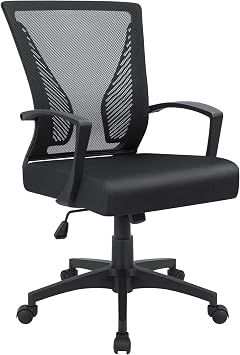
- The 90-Degree Rule: Aim for a chair height where your hips, knees, and elbows are all close to a 90-degree angle. Your feet should be flat on the floor. I know it sounds academic, but it really makes a difference.
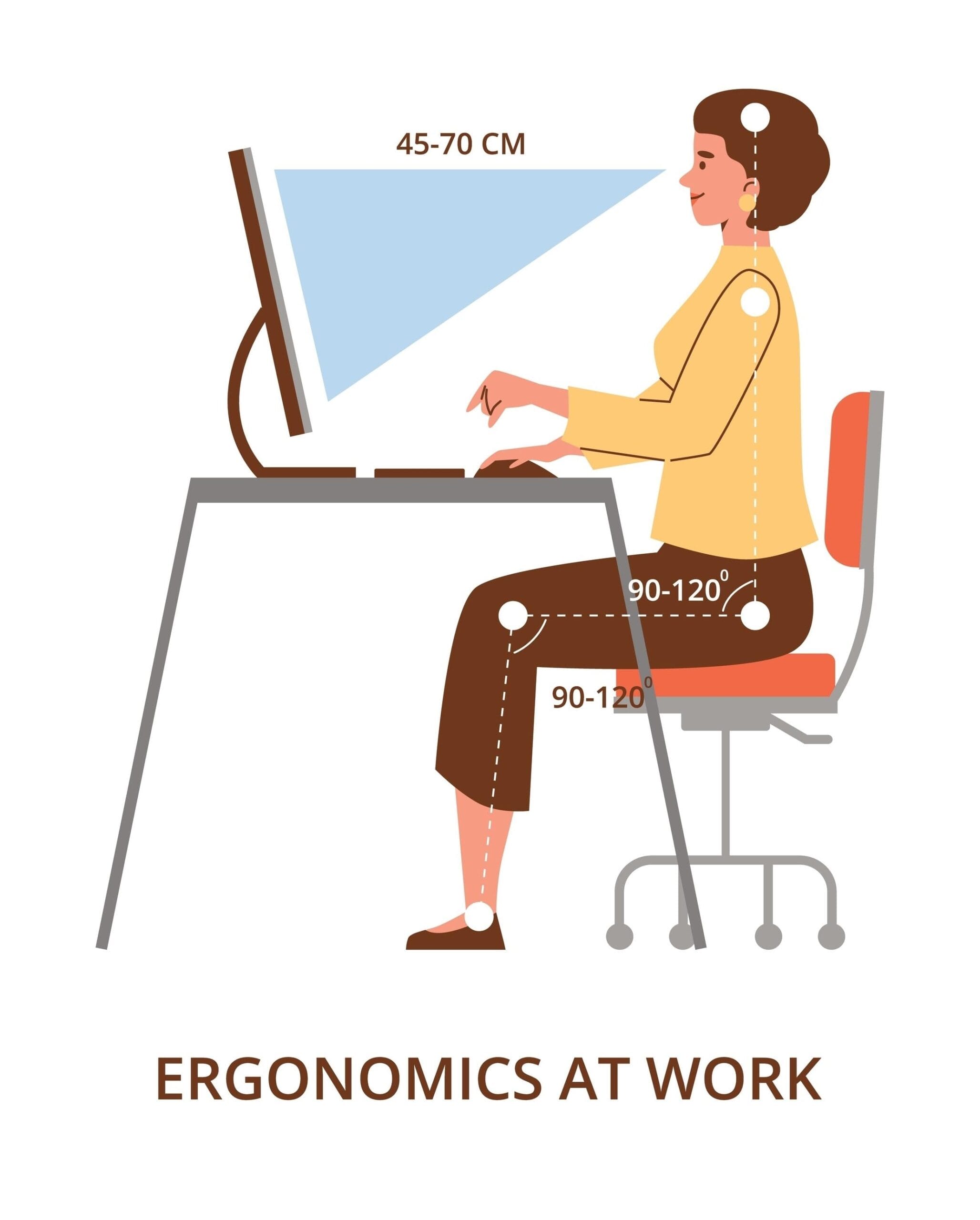
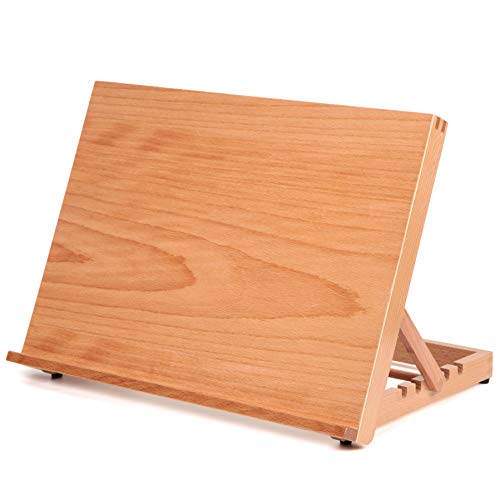
- Lap desks: If you prefer coloring on the couch or in bed, use a lap desk with a cushioned bottom. A lap desk, drawing board, or desktop easel tilted at 15–30 degrees brings the page closer to eye level and reduces the forward neck bend substantially.
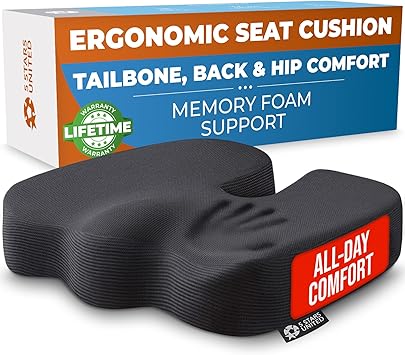
- Support Your Lower Back: Use a small pillow, rolled towel, or dedicated lumbar cushion to keep the natural curve in your lower back. Hunching over is the main culprit for neck and back pain.
- Take Micro-Breaks: Set a timer! Every 20-30 minutes, stand up, stretch your arms, and walk around. Your back needs that reset.
-
 View on Amazon
$35.99$32.75We earn commission if you make a purchase at no additional cost to you. See Disclosure Statement for further details....
07/03/2026 05:03 am GMT -
 View on Amazon
$29.99$22.99We earn commission if you make a purchase at no additional cost to you. See Disclosure Statement for further details....
07/02/2026 09:03 pm GMT -
 View on Amazon$39.99
We earn commission if you make a purchase at no additional cost to you. See Disclosure Statement for further details....
07/03/2026 02:03 pm GMT -
 View on Amazon$37.98
We earn commission if you make a purchase at no additional cost to you. See Disclosure Statement for further details....
07/02/2026 10:01 pm GMT -
 View on Amazon
$34.95$29.95We earn commission if you make a purchase at no additional cost to you. See Disclosure Statement for further details....
07/03/2026 05:03 am GMT
Best Lighting for Coloring That Protects Your Eyes
Poor lighting is the number one cause of eye strain while coloring. You’re working with small details and subtle color differences, which means your eyes are working hard. Inadequate lighting forces them to work even harder, leading to fatigue, headaches, and difficulty seeing color accurately.
Many colorists find cool white desk lamps easier on the eyes than dim yellow lighting. Position the light slightly above the page rather than directly behind you to reduce shadows and squinting.
Warning Signs:
- Tired or heavy eyes during or after coloring
- Headaches that start behind the eyes or across the forehead
- Squinting to see fine details
- Blurred or slightly unfocused vision after a session
- Dry or watery eyes from reduced blinking
Quick Adjustments:
- Switch to Daylight-spectrum LED lamps (5000K-6500K color temperature) as they reproduce natural light and reduce the strain caused by warm yellow bulbs or harsh cool fluorescents
- Use lamps with adjustable arms that position light directly over your work. Overhead room lighting creates shadows on your work
- Consider a magnifier or combined magnifying lamp especially if you have low vision or work with very detailed designs
OttLite and Brightech make craft lamps specifically designed for detail work like coloring. Many colorists say adding a good lamp made them realize how much they’d been squinting and straining without noticing.
-
 View on Amazon
$38.99$27.99We earn commission if you make a purchase at no additional cost to you. See Disclosure Statement for further details....
07/03/2026 05:03 am GMT -
 View on Amazon
$39.99$31.57We earn commission if you make a purchase at no additional cost to you. See Disclosure Statement for further details....
07/02/2026 09:03 pm GMT -
 View on Amazon
$16.99$15.29We earn commission if you make a purchase at no additional cost to you. See Disclosure Statement for further details....
07/02/2026 10:01 pm GMT
COLORING FATIGUE & BURNOUT
When Coloring Stops Feeling Relaxing
Many people pick up coloring precisely because they want to relax. So when it starts feeling like work, or worse, like a source of stress, it’s confusing and a little deflating.
This is more common than you’d think. Perfectionism, comparison with other colorists’ work, pressure to “do it right,” or simply the creeping expectation that every session should produce something beautiful can quietly turn a relaxing hobby into a demanding one.
The culprit is usually mental load, not the coloring itself. Every session involves a stream of small decisions: which color here, how much pressure, which section next, is that shading working? Individually these are tiny. However, accumulated across a session they add up.
Add perfectionism into the mix (is this good enough? should I have used a different color?) and the brain that was supposed to get a rest ends up working harder than it does at the office. Coloring becomes another thing to perform rather than a place to recover.
Warning Signs:
- Feeling frustrated or disappointed with your coloring more often than pleased
- Avoiding coloring because of pressure to “do it well”
- Overthinking every color choice and second-guess decisions already made
- Coloring feeling like a task rather than a pleasure
Knowing your triggers makes it much easier to adjust before a session tips into frustration.
Common Triggers (And How to Spot Them)
- Too many options. A full set of 120 pencils looks appealing in the tin, but it can paralyse rather than inspire. The more options available, the more decisions required before a single stroke is made.
- The wrong book for the day. Intricate, micro-detail designs are satisfying when your brain is fresh. On a tired day they’re overwhelming with every small section a problem to solve rather than a space to fill.
- Coloring too long without a break. Sustained focus without rest depletes mental energy in the same way physical exertion depletes physical energy. The difference is it’s less obvious as there’s no aching muscle to signal you’ve overdone it.
- Treating it like a performance. If you photograph every finished page, share every session, or compare your work to others online, coloring quietly shifts from private enjoyment to public output. That shift is tiring.
How to Make Coloring Feel Easier and More Enjoyable Again
The simplest fix is also the least satisfying to hear. Try something simple for a while.
Quick Adjustments
- Limit yourself to 5–8 pencils for the session as a restricted palette is liberating, not limiting
- Pick a simple page that looks enjoyable rather than impressive. Your mood matters more than the design’s complexity
- Set a short time limit to color before you start (20–30 minutes) knowing there’s an end point reduces the feeling of obligation
- Decide in advance that “good enough” is the goal for this session. It’s not to be finished, not be perfect, just enjoyable!
- If you open a book and feel a flicker of dread rather than interest, close it and pick a different book
Tools That Reduce Decision Fatigue When Coloring
The right tools here are not about better color quality or ergonomics! They’re about reducing the number of decisions a session requires before it can feel enjoyable.
The community suggestions that come up most consistently are:
- A visual timer. Knowing a session has a defined end point removes the low-level anxiety of wondering how long you’ve been at it. It also makes it easier to stop before you’re exhausted. This is the single most effective habit for keeping coloring enjoyable over time.
- A limited pencil set. Select a simple 12 or 24-colour set that forces fewer options, less deliberations, more coloring.
- Pre-made Color Palette cards or booklets. Choose a pre-made palette before you open the book eliminates color decisions. Several community members use ColourLovers. Just search for a topic eg garden and a variety of 5 color combinations are listed for your review. Select one you like, find the 5 closest colors from your 12-24 color set and start coloring.
- A simple, low-complexity coloring book kept for tired days. Having a designated “easy” book for low-energy sessions means you don’t have to decide which book to use when you’re already depleted. You know where to go.
-
 View on Amazon$18.99
We earn commission if you make a purchase at no additional cost to you. See Disclosure Statement for further details....
07/02/2026 09:03 pm GMT -
 View on Amazon
$5.00$4.39We earn commission if you make a purchase at no additional cost to you. See Disclosure Statement for further details....
07/02/2026 10:01 pm GMT -
 View on Amazon$17.99
We earn commission if you make a purchase at no additional cost to you. See Disclosure Statement for further details....
07/02/2026 11:03 pm GMT
SAFETY & MATERIALS
Are My Coloring Supplies Safe to Use?
It’s natural to wonder, “Are my supplies safe?” especially with all the bright pigments and marker fumes. The good news is that most art materials sold for general use today are non-toxic, but you still need to know what to look for!
Always look for products with the AP (Approved Product) seals from the Art and Creative Materials Institute (ACMI).

- What it means: The AP seal certifies that the product has been tested by a toxicologist and contains no materials in sufficient quantities to be toxic or harmful to humans, including children. If you see this seal, you can color with peace of mind.
- Avoid: I recommend avoiding products with the CL (Caution Label) seal, as these may contain ingredients that require specific safety handling. This is especially so if you are coloring with children or are particularly sensitive.
Are Alcohol Markers Toxic? (Safety, Fumes & Ventilation Tips)
This is one of the most common questions in our community!
The solvent in most alcohol markers (like Ohuhu or Copic) can give you a headache if you’re coloring in a small, unventilated space for hours. While the pigments themselves are usually non-toxic, the fumes from the alcohol solvent need to go somewhere.
My honest advice: Always ensure good ventilation when using markers. Open a window, use an air purifier, or point a small fan away from your desk. This prevents headaches and gives you permission to use those brilliant colors safely!
Coloring Allergies, Pencil Dust, and Sensitivities Explained
If you use soft-core pencils, you’ve probably noticed pigment dust.
If you have asthma or dust sensitivities, avoid blowing the dust away! Instead, use a drafting brush or a soft cloth to sweep it away.
If you notice skin irritation, check your supplies for the AP seal and switch to a different brand.
Sometimes it’s just a specific binder or pigment causing the issue.
ALWAYS wash hands after coloring sessions, especially before eating or touching your face.
Frequently Asked Questions About Coloring for Health & Comfort
Want to Learn More About Healthy, Relaxing Coloring?
If you’re building a coloring practice for health reasons, these resources will help you go deeper into specific techniques, find the right supplies, and connect with other colorists who share your goals.
- American Art Therapy Association: While coloring isn’t formal art therapy, the AATA offers information about therapeutic creative practices and finding qualified art therapists if you’re interested in more structured support.
- Coloring Communities: Join the “Coloring Books for Adults” Facebook group to connect with thousands of colorists who share tips, recommendations, and support for coloring through health challenges.
- Research on Coloring & Health: If you’re curious about the science, search for studies on “coloring and anxiety reduction” or “coloring therapy benefits” in Google Scholar. Several universities have published research validating what many of us already know from experience.